
Doug Lenhardt | Jul 01 2026 14:00
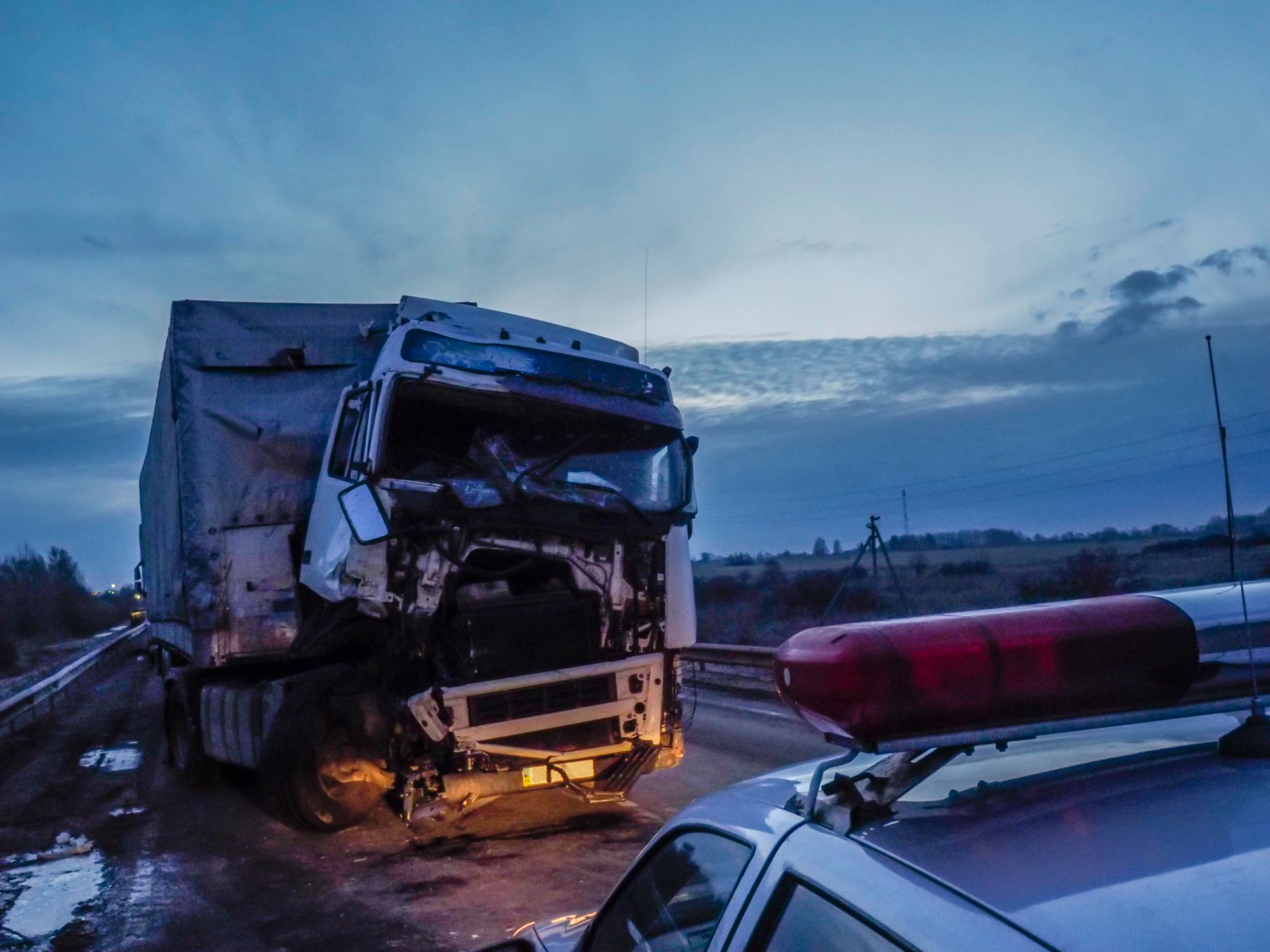
Truck accident cases in Georgia rely heavily on time‑sensitive evidence such as black‑box data, electronic driver logs, maintenance records, witness statements, and crash‑scene documentation. These cases differ from ordinary car accidents because trucking companies and insurers often control the most critical information—and it can disappear quickly without prompt action. Understanding what evidence matters most can help injured victims protect their rights and strengthen their claim. The Law Office of R. Douglas Lenhardt, LLC works with clients throughout Athens and Northeast Georgia to secure this evidence before it is lost.
Why Truck Accident Cases Are More Complex Than Car Wrecks
Commercial trucks weigh up to 30 times more than passenger vehicles, and collisions often involve severe injuries, catastrophic damage, or fatalities. But the legal complexity goes beyond size. Trucking companies, drivers, carriers, and maintenance contractors each have separate responsibilities under federal and Georgia law, and multiple parties may share liability.
These cases also involve federal regulations, commercial insurance policies, and data systems that do not exist in standard auto accidents. Because companies can quickly repair vehicles, overwrite digital logs, or move equipment, securing evidence early is essential.
For more information on our approach to these cases, visit: Truck Accidents.
Black‑Box (ECM) Data
Most commercial trucks contain electronic control modules—often called “black boxes”—that record essential crash information. This data may include:
- Speed at the time of impact
- Sudden braking or acceleration
- Engine hours and throttle position
- GPS location and travel time
- Driver behavior in the moments before the crash
Because ECM data can be overwritten or lost once a truck is put back into service, attorneys often send preservation letters immediately to ensure the trucking company saves this information.
Electronic Driver Logs (ELDs)
Federal rules require commercial drivers to use electronic logging devices that track their hours behind the wheel. These logs are critical in determining whether a driver violated “hours‑of‑service” rules, drove while fatigued, or exceeded allowed shift limits.
If a driver was overworked or falsified logs, liability may extend beyond the driver to the trucking company that allowed unsafe scheduling or pressured the driver to keep driving.
Maintenance and Inspection Records
Trucking companies must regularly inspect and maintain their vehicles. Failures to repair worn brakes, defective tires, steering systems, or lighting equipment often contribute to crashes. Maintenance records may show:
- Ignored mechanical problems
- Long gaps between inspections
- Repairs done improperly or incompletely
- Repeated safety violations
These documents can reveal whether a dangerous condition was known—or should have been known—before the truck entered Northeast Georgia’s major corridors such as Highway 316, I‑85, or U.S. 441.
Driver Qualification and Training Records
Trucking companies must ensure that drivers are properly licensed, trained, and medically cleared. Relevant records may include:
- Driving history and prior violations
- Drug and alcohol testing results
- Training certifications
- Medical fitness evaluations
These records help determine whether the company hired or retained a driver who posed a known risk to others on the road.
Crash‑Scene Evidence
The moments after a truck accident are chaotic, but crash‑scene evidence is invaluable. Important items include:
- Photographs of vehicle positions, debris, skid marks, and road conditions
- Damage patterns on vehicles
- Weather or visibility issues
- Traffic‑camera or dash‑camera footage
If possible, victims or family members should photograph the scene, but many times investigators or police reports become the primary source of detail. Quick action helps ensure key physical evidence is not cleared away before it can be documented.
Witness Statements
Third‑party witnesses—drivers, passengers, pedestrians, or nearby workers—can provide testimony about:
- Erratic driving or speeding
- Lane drifting or sudden braking
- Phone use or distraction
- The driver’s behavior after the crash
Witness statements often strengthen a claim and may resolve disputes when the truck driver denies responsibility.
Police Reports and Specialized Reconstruction
Large truck crashes often involve specialized accident reconstruction teams. Their reports may include measurements, diagrams, mechanical inspections, and event data downloads. These findings can be powerful tools when negotiating with insurers or presenting a claim in court.
Medical Evidence and Injury Documentation
Because truck accidents tend to cause severe injuries—fractures, head trauma, spinal injuries, or long‑term disability—medical documentation is crucial. Records should include:
- Emergency room evaluations
- Imaging results (CT scans, MRIs, X‑rays)
- Specialist assessments
- Surgical records and therapy notes
Consistent medical documentation helps prove both the extent of the injuries and the cost of long‑term care.
Why Evidence Preservation Is Time‑Sensitive
Trucking companies and insurers move quickly after a crash—often much faster than injured victims. Vehicles are repaired, logs are overwritten, and documents may disappear unless preserved early. This is why contacting an attorney promptly is so critical.
The Law Office of R. Douglas Lenhardt, LLC sends immediate preservation notices and conducts independent investigations to protect evidence before it is lost. Early intervention allows us to gather the full story and build a strong case for compensation.
Compensation in Georgia Truck Accident Cases
Because injuries are often severe, compensation may include:
- Medical bills and future treatment costs
- Lost wages and diminished earning ability
- Pain and suffering
- Permanent disability or disfigurement
- Property damage
- Wrongful death damages for families who lost a loved one
For broader injury‑related guidance, visit: Personal Injury.
Practical Guidance for Injured Victims and Families
If you or a loved one has been involved in a truck accident in Athens or anywhere in Northeast Georgia, consider the following steps:
- Seek immediate medical care—even if injuries seem minor
- Photograph the vehicles, injuries, and crash scene if possible
- Avoid giving statements to the trucking company or insurer
- Save medical bills, treatment records, and insurance correspondence
- Contact an attorney quickly to preserve black‑box and log data
The Law Office of R. Douglas Lenhardt, LLC helps victims understand their rights, protect critical evidence, and pursue full compensation. To speak with an attorney about your case, visit our contact page: Contact.